



A credit note (sometimes called a credit memo) is an official document issued by a seller to a buyer, indicating that the buyer's account has been credited for goods returned, overcharged invoices, or other adjustments. Essentially, it’s a way of reducing the amount the buyer owes to the seller.
Credit notes are typically issued in cases such as:
- Returned or damaged goods
- Overbilling or billing errors
- Discounts offered after an invoice has been issued
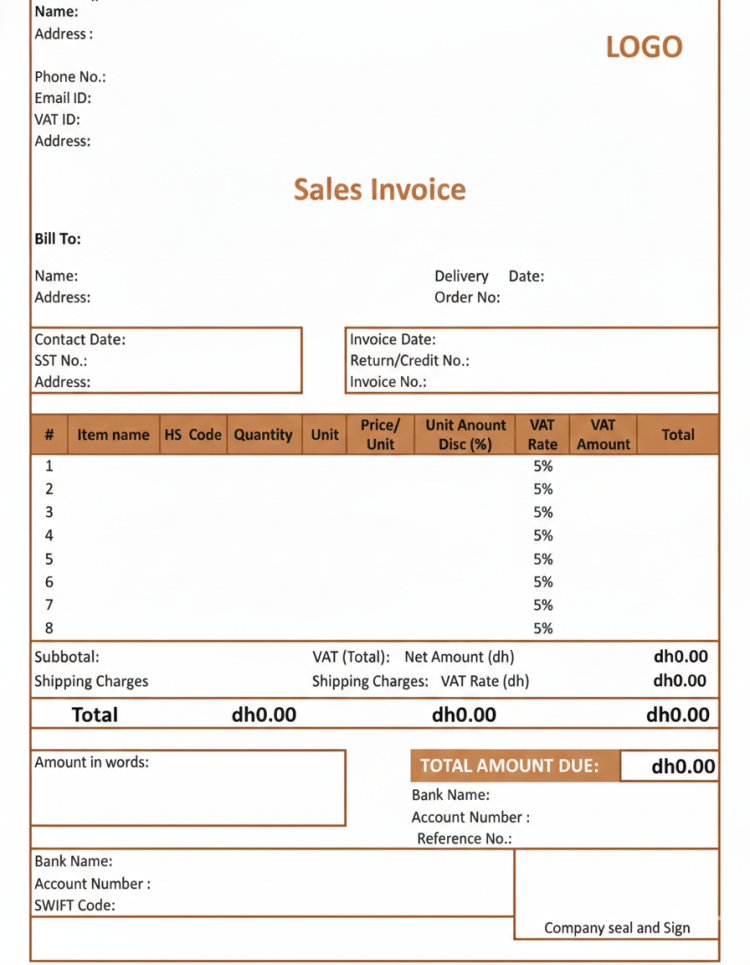
Think of a credit note as a “negative invoice.” Instead of requesting payment, it acknowledges that the customer has a credit with the seller.
How Does a Credit Note Work?
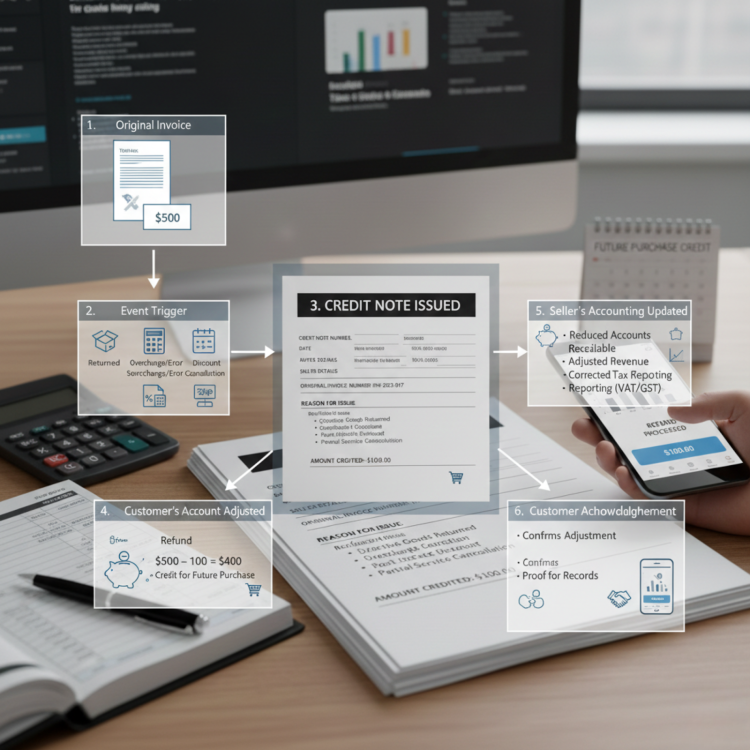
A credit note works as a formal acknowledgment that a customer’s account has been credited for a certain amount, usually due to returns, overcharges, or adjustments. Essentially, it reduces the amount the buyer owes to the seller. Let’s break it down step by step:
1. Identify the Need for a Credit
A credit note is issued when there’s a need to adjust a previous invoice. Common reasons include:
- The customer returns goods due to defects or wrong delivery.
- The original invoice had an overcharge or calculation error.
- A discount or promotion is applied after the invoice was issued.
- Services were partially canceled or adjusted.
2. Issue the Credit Note
The seller creates a credit note referencing the original invoice. The document includes:
- Credit note number and date
- Buyer and seller details
- Original invoice number
- Reason for issuing the credit note
- Amount credited (including taxes, if applicable)
3. Adjust the Customer’s Account
Once the credit note is issued:
- The customer’s outstanding payment is reduced by the credited amount.
- If the customer already paid, the seller can:
- Refund the amount, or
- Allow it to be used against future purchases.
For example:
- Original invoice: $500
- Returned goods worth: $100
- New amount payable: $500 – $100 = $400
The credit note formally records this adjustment.
4. Update Accounting Records
The seller updates their accounting system to reflect:
- Reduced accounts receivable
- Adjusted revenue, if necessary
- Corrected tax reporting
This ensures accurate financial statements and compliance with tax regulations like VAT or GST.
5. Customer Acknowledgment
The credit note acts as a formal document for the buyer too. It confirms the adjustment and provides proof for their own accounting records.
In short: A credit note works as a “negative invoice” – it either reduces the amount a customer owes or provides a refund/credit for future transactions. It’s essential for maintaining accurate accounts and smooth business operations.
When is a Credit Note Used?
Credit notes are issued in various scenarios, including:
- Product Returns: When a buyer returns defective or incorrect products.
- Billing Errors: If the original invoice was higher than it should have been.
- Post-Invoice Discounts: If a seller offers a discount after invoicing.
- Service Adjustments: For overcharges in services or contract amendments.
Difference Between a Credit Note and an Invoice
While invoices request payment from a buyer, credit notes reduce the amount payable. In other words:
Invoice: “You owe us $500.”
Credit Note: “You now owe us $200 instead of $500 due to returns/adjustments.”
What is a Credit Note in Accounting?
In accounting, a credit note is a formal document issued by a seller to a buyer to reduce the amount owed by the buyer on a previously issued invoice. It is essentially a “negative invoice” that adjusts the accounts receivable and revenue figures in the books of both the seller and the buyer.
Credit notes are used to correct or adjust financial records for reasons such as:
- Returned goods – The buyer returns damaged, defective, or incorrect items.
- Overbilling – The seller charged more than the agreed price.
- Post-invoice discounts – A discount or rebate is applied after the invoice has been issued.
- Service adjustments – Services billed were partially canceled or not delivered as agreed.
How It Works in Accounting
When a credit note is issued:
1.Seller’s Accounts:
- Reduces accounts receivable (money owed by the customer).
- Adjusts sales revenue and VAT/GST if applicable.
2. Buyer’s Accounts:
- Reduces accounts payable (money they owe to the seller).
- Adjusts expense or purchase records, and VAT/GST input tax claims.
For example:
- Original invoice: $1,000
- Returned goods: $200
- New amount payable: $800 (credit note reduces the $1,000 invoice by $200)
A credit note is more than just paperwork—it’s an essential financial tool that ensures transparency, accuracy, and trust between buyers and sellers. By understanding when and how to issue credit notes, businesses can maintain precise accounting records, improve customer relations, and comply with tax regulations.
Whether you run a small business or a large enterprise, managing credit notes efficiently is key to smooth operations and healthy cash flow. for more information accounting and bookkeeping services dubai